

When furnishing a college or university campus, or other educational institution, it’s easy to focus on the immediate priorities. Budgets need to be managed, timelines need to be met, and spaces need to look appealing to students and visitors alike. But furniture decisions have a much bigger impact than many institutions realize.
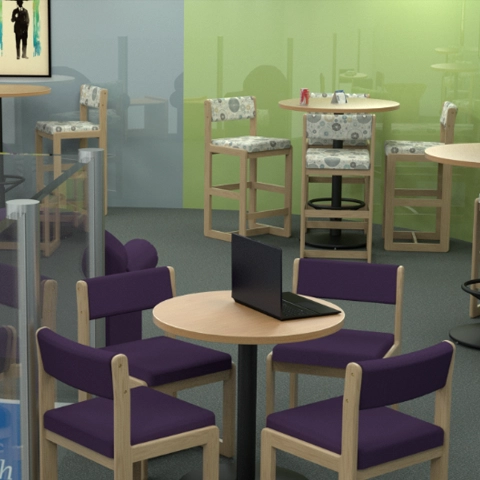
From residence halls and student unions to libraries, lounges, and collaborative learning spaces, furniture plays a critical role in the daily campus experience. It affects maintenance workloads, student satisfaction, operational efficiency, and long-term costs. The right furniture can help solve ongoing challenges and support institutional goals, while the wrong furniture can create recurring issues that strain budgets and resources.
As a contract furniture manufacturer for colleges and universities, we’ve learned a great deal about how to set your campus up for success. Read on for five common furniture challenges educational institutions face, and how the right contract furniture partner can help solve them.
1. Keeping Furniture Replacement Costs Under Control
Higher education institutions are constantly balancing competing budget priorities. When it comes time to furnish a new building or replace aging furniture, it can be tempting to focus primarily on upfront costs.
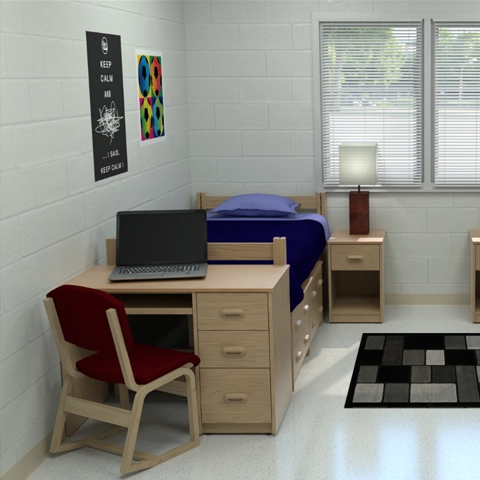
Unfortunately, lower-cost furniture often comes with a shorter lifespan. Pieces that are not designed for demanding campus environments may not be repairable, and may require replacement far sooner than expected, increasing costs over time.
A better approach is to evaluate furniture based on total lifecycle value rather than initial purchase price alone. Furniture that remains functional and attractive for years can significantly reduce replacement cycles and stretch capital budgets further.
At Blockhouse, our furniture is built to withstand the realities of campus life. It is heavy-duty, includes replaceable component parts, and offers reversible cushions and other life-extending features that directly impact your ongoing costs. By investing in smart, durable, high-quality furniture from the start, colleges and universities can reduce long-term expenses while maintaining spaces that continue to serve students effectively and increase student success.
2. Managing Wear and Tear in High-Traffic Spaces
Few environments experience the level of daily use that a college campus does. Residence halls, common areas, study spaces, dining facilities, and student centers often see near-constant activity throughout the academic year.
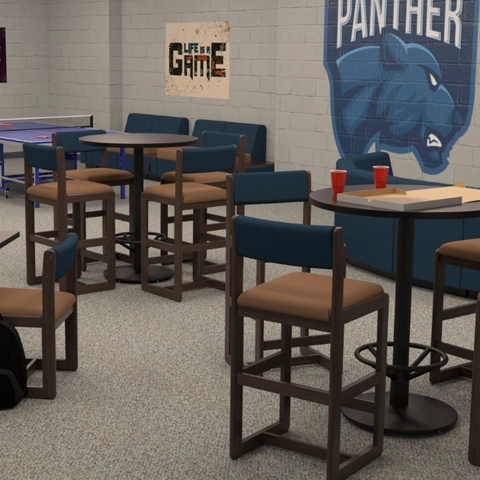
Furniture in these environments is regularly moved, rearranged, cleaned, and subjected to heavy use. Over time, this can lead to broken components, damaged finishes, and increased maintenance demands. The key to addressing this challenge is selecting furniture specifically engineered for high-traffic environments.
Blockhouse furniture features heavy-duty construction and materials designed for long-term performance. And as mentioned earlier, most of our products also include replaceable components that allow institutions to repair individual elements rather than replacing entire pieces. Combined with flippable cushions, reupholstery services and long-term support, this approach helps extend furniture lifespan while reducing the burden on facilities and maintenance teams.
3. Making the Most of Limited Space
Space is one of the most valuable resources on any campus. Residence hall rooms must accommodate sleeping, studying, storage, and socializing within a relatively small footprint. Student lounges and collaborative learning environments often need to support multiple activities throughout the day. Even libraries are evolving to accommodate a wider range of student needs.
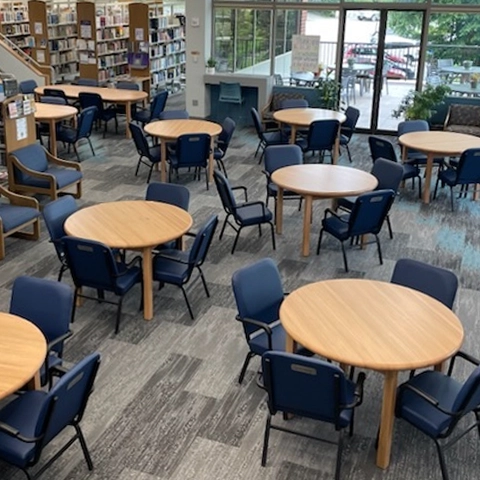
Furniture can play an important role in helping institutions maximize available space. It makes the room larger without the capital cost of construction, and helps align with today’s student lifestyle needs.
Thoughtfully designed furniture solutions can improve room functionality without increasing square footage. Space-saving configurations, flexible layouts, and integrated technology features help create environments that better support how students live and learn today.
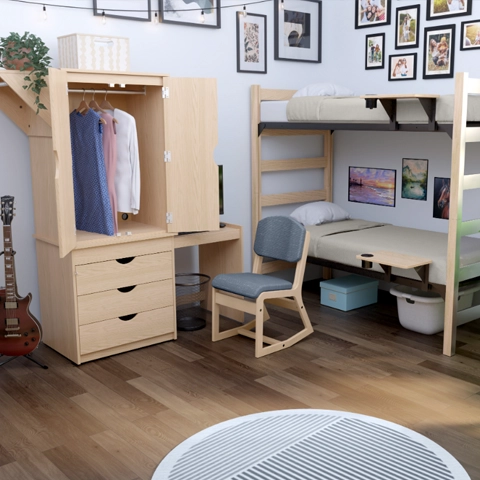
Blockhouse designs furniture with these realities in mind. From compact residence hall solutions to furniture that incorporates power and connectivity, our products help colleges and universities create more functional, efficient spaces that meet the evolving expectations of students. We even developed our “Space Saver” line of integrated wardrobes and desks to address evolving student habits whereby desks are a less important, but still necessary, component in a dorm room.
4. Creating Healthier Spaces Students Want to Use
Today’s students expect more from campus environments than previous generations. They want spaces that feel welcoming, comfortable, and supportive of both academic success and personal well-being. The furniture within those spaces plays a significant role in shaping the student experience.
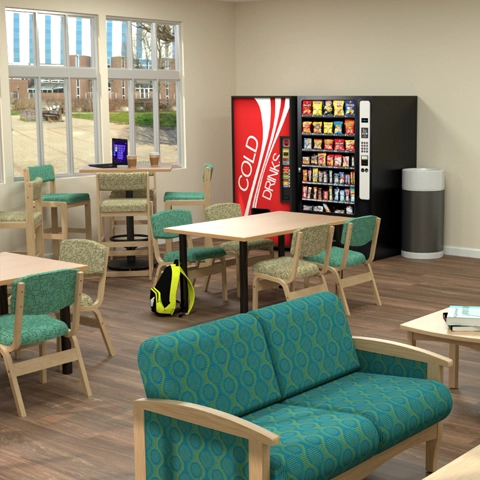
Institutional-looking environments can feel cold and uninviting. In contrast, thoughtfully designed furniture can help create spaces that encourage studying, collaboration, relaxation, and connection. These qualities contribute to a stronger sense of community and can positively influence student satisfaction.
Blockhouse furniture combines durability with aesthetics that feel warm and residential. The natural look and feel of wood helps create environments that are more inviting and less institutional, while comfortable, thoughtfully designed furniture supports student well-being and engagement. There are proven physical and mental health benefits to wood materials, and Blockhouse furniture supports these outcomes.
As colleges and universities continue to focus on recruitment, retention, and the overall student experience, creating healthier spaces where students are genuinely comfortable has become more important than ever.
5. Avoiding Supply Chain Delays and Procurement Headaches
For many colleges and universities, furniture projects operate on extremely tight timelines. Summer renovations, residence hall refreshes, and new construction projects often have fixed completion dates that cannot be missed before students arrive on campus. In addition, mid-year refreshes are critical windows where timelines can’t slip.
Delays in furniture delivery can create significant operational challenges and put entire project schedules at risk.
Working with overseas suppliers can introduce additional uncertainty through tariffs, shipping delays, communication challenges, and supply chain disruptions. These factors can make planning and execution far more complicated than they need to be.
Partnering with a USA-based manufacturer helps reduce many of these risks. With Blockhouse, institutions benefit from responsive communication, dependable lead times, domestic manufacturing headquartered in York, PA, and support teams that are readily accessible throughout the project lifecycle and even after delivery. We offer support from design to final installation, even using specialized carriers to ensure smooth delivery.
The result is an easier procurement process, greater confidence in project timelines, and fewer surprises along the way.
Building a Better Campus Experience
Furniture influences far more than the appearance of a campus space. It impacts budgets, maintenance requirements, operational efficiency, and the overall student experience. By taking a strategic approach to furniture selection, colleges and universities can solve common challenges while creating environments that better support students, staff, and institutional goals.
Whether you’re planning a residence hall renovation, furnishing a new student center, or upgrading common areas across campus, the right contract furniture partner can help you maximize the value of your investment.
Contact Blockhouse today to learn how our durable, student-focused furniture solutions can help your campus solve challenges today gain these benefits well into the future.